Business Casual Attire For Men: Essential Pieces Every Professional Needs
Author:Judy
|
Released:January 4, 2026
Struggling to figure out the modern office dress code? Getting a handle on business casual makes mornings a lot easier. You spend less time second-guessing and more time just getting dressed and moving on with your day. Here are a few key pieces that help you look put-together without overthinking it.
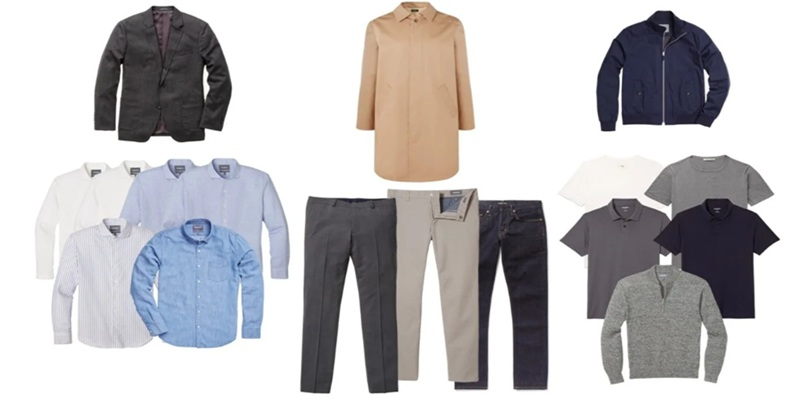
Start With the Right Shirts (Everything Else Gets Easier)
Oxford Shirts That Actually Work (OCBD)
The Oxford cloth button-down is still the easiest win in a business casual wardrobe. It's relaxed enough for daily wear, but structured enough to hold up in meetings.
When choosing one, pay attention to two things people often overlook: fabric weight and collar roll. A slightly heavier Oxford fabric holds its shape better throughout the day, especially if you're moving between desk and commute.
The collar should have a natural curve instead of lying flat; that's what keeps it looking sharp even without a tie.
Start with white and light blue. These two handle almost any office setting and pair well with everything from navy trousers to dark denim.
Elevated Polos (When a Shirt Feels Like Too Much)
A good polo can replace a shirt on warmer days, but only if the fabric and fit are right.
Skip thin, shiny, or logo-heavy versions; they tend to look too casual on camera and in person. Instead, go for pique cotton with some structure or lightweight merino wool, which keeps its shape and doesn't wrinkle as easily after sitting for long hours.
A small detail that makes a difference:
The collar should stand slightly on its own, not collapse after a few washes. If it folds flat immediately, it won't hold up in a work setting.
Fit: Where Most People Get It Wrong
Fit matters more than the type of shirt.
You don't need it tight, but you do want a clean line through the torso. The shirt should lightly follow your shape without pulling at the buttons.
Quick checks:
No fabric bunching around the waist when tucked
Sleeves end cleanly at the wrist (not covering half your hand)
Shoulder seam sits right at your natural shoulder line
Oversized cuts are the fastest way to look less put-together, especially on video calls where extra fabric just reads as bulk.
The Collar Does More Work Than You Think
Without a tie, the collar becomes the focal point.
A structured collar frames your face and keeps the outfit from feeling unfinished. This is especially noticeable on Zoom or in headshots; a soft, collapsed collar can make even a good shirt look tired.
If you want an easy upgrade:
Look for shirts with slightly thicker plackets and reinforced collars. They hold their shape longer and require less adjusting during the day.
Chinos or Trousers? Here's What Works Day to Day
Most of the time, you don’t need to overcomplicate your choices. A solid pair of chinos will cover the majority of your workweek.
They are easy to wear, comfortable, and still look put-together. Colors like navy, olive, and khaki are the most useful since they pair well with almost anything. If your day moves between desk work, meetings, and quick errands, chinos handle all of it without feeling out of place.
Dress trousers come in when the setting calls for something sharper. Wool trousers, in particular, give a cleaner and more structured look. You will notice the difference in more formal meetings or presentations where appearance carries a bit more weight.
Five-pocket twill pants sit somewhere in between, but they can be tricky. Even though they are comfortable, the denim-style pockets make them feel more casual. In many offices, that small detail is enough to make the outfit look slightly off.
Why Chinos Work So Often
Chinos hit a balance that is hard to beat. They are relaxed without looking sloppy and structured without feeling stiff. That is why they end up being the default for so many people.
If you are building a small, reliable wardrobe, start here. You will get the most use out of them.
When Trousers Make More Sense
Trousers are a better choice when you want to look a bit more intentional.
They help in situations like client meetings, presentations, or any day when you want to come across as more polished. It is not about being overdressed, just slightly more refined.
Fit Matters More Than Fabric
No matter which one you choose, fit is what people actually notice.
You do not need a tight fit, but the shape should stay clean. Slim-straight or tailored cuts are usually the safest option for most body types and office settings.
A few quick checks help:
The fabric should not pull at the thighs
The leg line should stay clean from the hip to the ankle
The hem should rest lightly on your shoes without stacking
If the fit is right, even simple chinos look sharp. If it is off, even expensive trousers will not save the outfit.
The Business Casual Shoes People Notice First
Shoes tend to be one of the first things people notice, even if they don’t say it directly. A clean, well-chosen pair can pull the whole outfit together. A bad pair does the opposite.
Start With Loafers
If you want something easy that works most of the time, go with leather loafers.
Penny and tassel styles are both solid options. They are simple to wear, look sharp enough for meetings, and pair well with both chinos and trousers. If you are only picking one category to start with, this is usually it.
Keep them clean and in good condition. Scuffed leather is hard to ignore and brings down the rest of the outfit.
Lace-Ups: Keep It Slightly Relaxed
Not all dress shoes work the same in a business casual setting.
Oxfords are more formal and can feel a bit too strict for everyday office wear. They are better saved for suits or more formal occasions.
Derbies and brogues are easier to work into daily outfits. The open lacing and added texture make them feel less rigid, which fits better with business casual.
Sneakers Can Work If You Keep Them Clean
Sneakers are more accepted now, but they only work if they are kept simple.
Stick to leather versions in white or neutral colors. Avoid anything with loud logos, bright accents, or bulky soles.
The key is that they should still look intentional. If they feel like gym shoes, they probably do not belong in the office.
Add Texture in Colder Months
When the weather changes, your shoes can change with it.
Suede works well in fall and winter and adds a bit more depth to the outfit. Chukka boots and Chelsea boots are both easy to style and pair naturally with heavier trousers.
Darker tones like chocolate, navy, or taupe tend to be the most versatile.
One Simple Rule That Always Works
Try to keep your shoes and belt in the same color family.
They do not have to match perfectly, but they should look like they belong together. Dark brown with dark brown, black with black is the safest way to go.
It is a small detail, but it quietly pulls the whole outfit together. Most people will not point it out, but they will notice something feels more put-together.
How to Layer Without Looking Overdressed
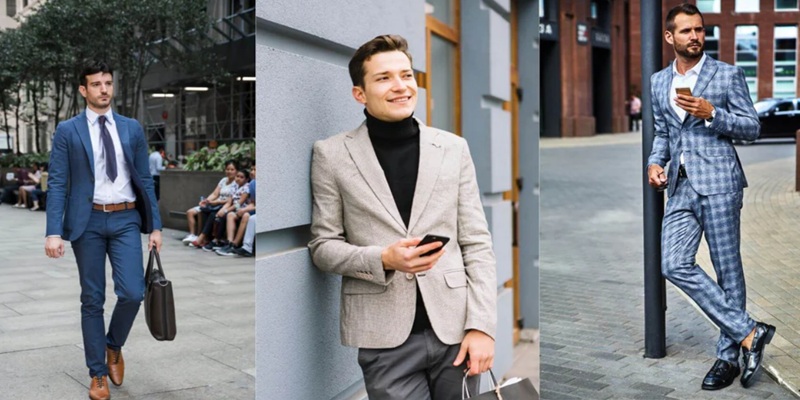
Layering gets easier once you stop thinking of it as “adding more” and start thinking in terms of balance. One structured piece is usually enough. Anything beyond that can start to feel heavy.
An unstructured blazer is the easiest place to start. It gives you shape without feeling stiff, and it works with almost everything. Navy or charcoal are the safest choices. They sit well over both shirts and polos and do not feel too formal.
What you wear under it matters just as much. A fine merino sweater over a button-down is a reliable combination, especially when the temperature changes throughout the day. Keep the knit thin so it layers cleanly and does not bunch at the sleeves.
Quarter-zips are another easy option. They are practical, easy to adjust, and look more relaxed than a full sweater. Just make sure the fit stays close to the body. Too loose and the whole outfit starts to lose shape.
A small detail that helps a lot. Try not to stack too many “thick” pieces together. If the blazer has texture, keep the layer underneath lighter. This keeps the outfit from looking bulky, especially on camera.
Accessories should stay simple. A clean watch and a structured bag are enough to finish the look. If everything else fits well, you do not need more than that.
If you are buying a blazer, the fabric makes a difference over time. Lightweight wool works well in warmer months and holds up through long days. Heavier fabrics like tweed are better once it gets colder and add a bit more depth without extra layers.
3 Go-To Outfits for Real Work Situations
Most dress code confusion goes away once you have a few outfits you can rely on. You don't need dozens of options. Just a few combinations that you know look right and feel comfortable.
Here are three that cover most situations.
The Big Client Pitch
When the meeting matters, go slightly more formal than usual. It shows you took it seriously.
Start with a clean white OCBD and pair it with medium-grey wool trousers. Add a navy blazer to pull everything together.
For shoes, stick with dark brown leather loafers. Simple and polished.
One small detail people notice more than you think. Make sure your shirt is well pressed, and your shoes are clean. Even a strong outfit falls apart if these look off.
Casual Fridays
This is where most people either try too hard or get too relaxed.
A safe middle ground is dark-wash denim with no distressing. If your office leans more traditional, swap denim for chinos.
On top, go with a merino polo or a structured cotton polo. It feels easy,y but still looks intentional.
Clean white leather sneakers work well here. Just keep them actually clean. Once they start looking worn out, the whole outfit feels sloppy.
The Frequent Traveler
Travel days are all about comfort, but you still want to look put-together when you arrive.
Performance chinos are a good base. They stretch a bit, don't wrinkle easily, and hold their shape after sitting for hours.
Pair them with a lightweight quarter-zip. It is easy to take on and take off depending on the temperature.
Chelsea boots make airport movement easier since you can slip them on and off quickly. They also look sharp enough that you do not need to change shoes after landing.
If you tend to run warm, choose breathable fabrics. Long travel days get uncomfortable fast if your clothes do not handle it well.
Getting Dressed Shouldn't Feel This Complicated
Upgrading your office wardrobe doesn't have to happen all at once. You don't need to replace everything overnight.
Start with what you already own. See what still works, what feels off, and where the gaps are. Then add a few solid pieces over time. A better shirt here, a more reliable pair of trousers there.
You'll notice the difference pretty quickly. Getting dressed becomes easier, and you look more put-together without thinking too much about it.
And honestly, there's no reason to wait for a promotion before dressing better. If you want to look the part, you can start now.
You May Like
Design
Quiet Luxury Bags: The New Way To Wear Elegance Without Logos
Apparel & Shoes
Top 10 Ballet Flats Every Fashion Lover Must Try
Fashion Trends
Elle Fanning's Dark-Wash Cuffed Jeans Are Peak 2026 Cool-Girl Style

Outfit Ideas
Baggy Jeans Are ‘OUT’: Here’s the French Style Taking Their Place
Apparel & Shoes
Louis Vuitton Bag Portfolios For High-Net-Worth Strategies